
Worldmind Middle & High School
An inclusive, independent place-based school for students grades 6-12

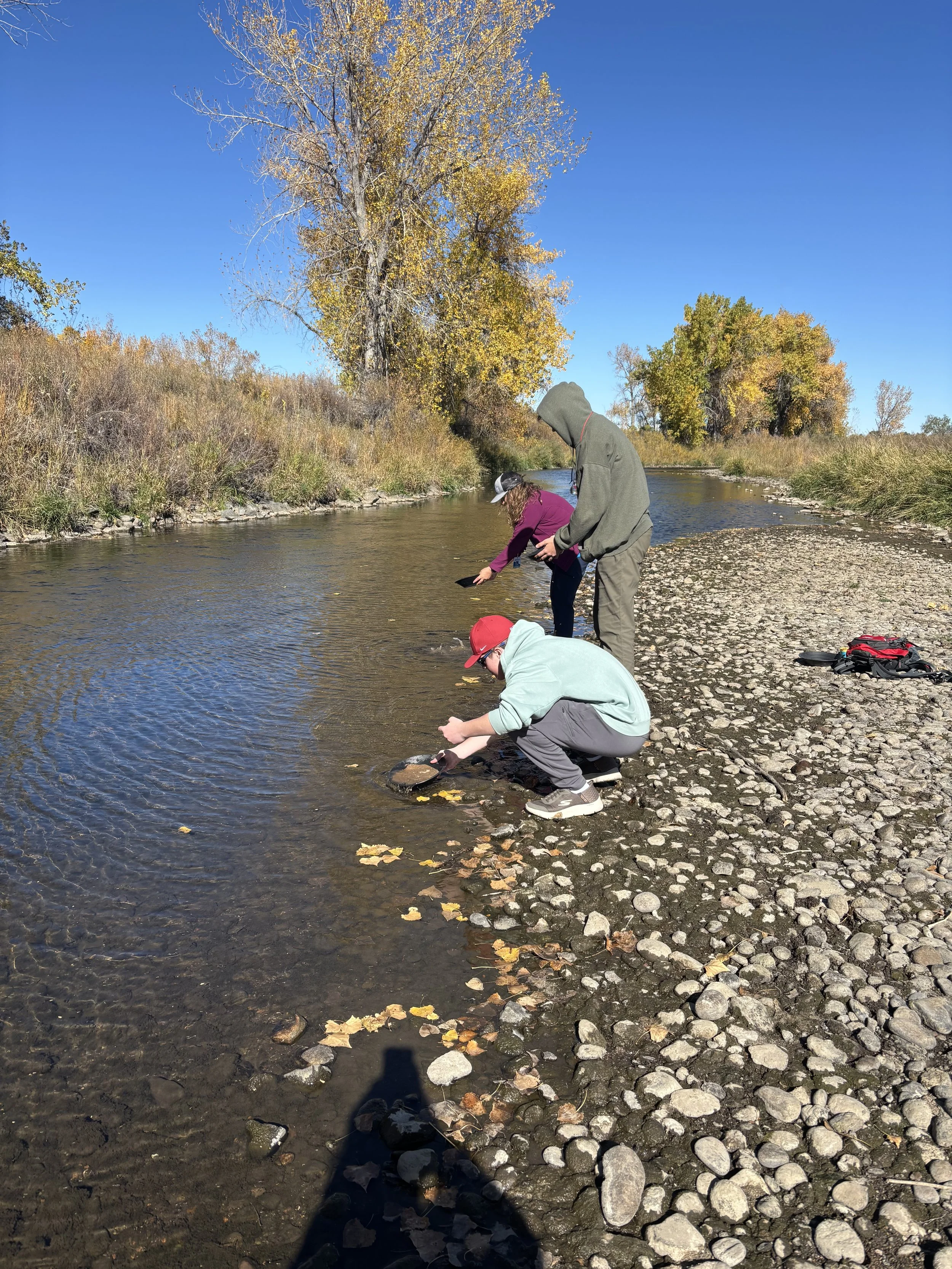
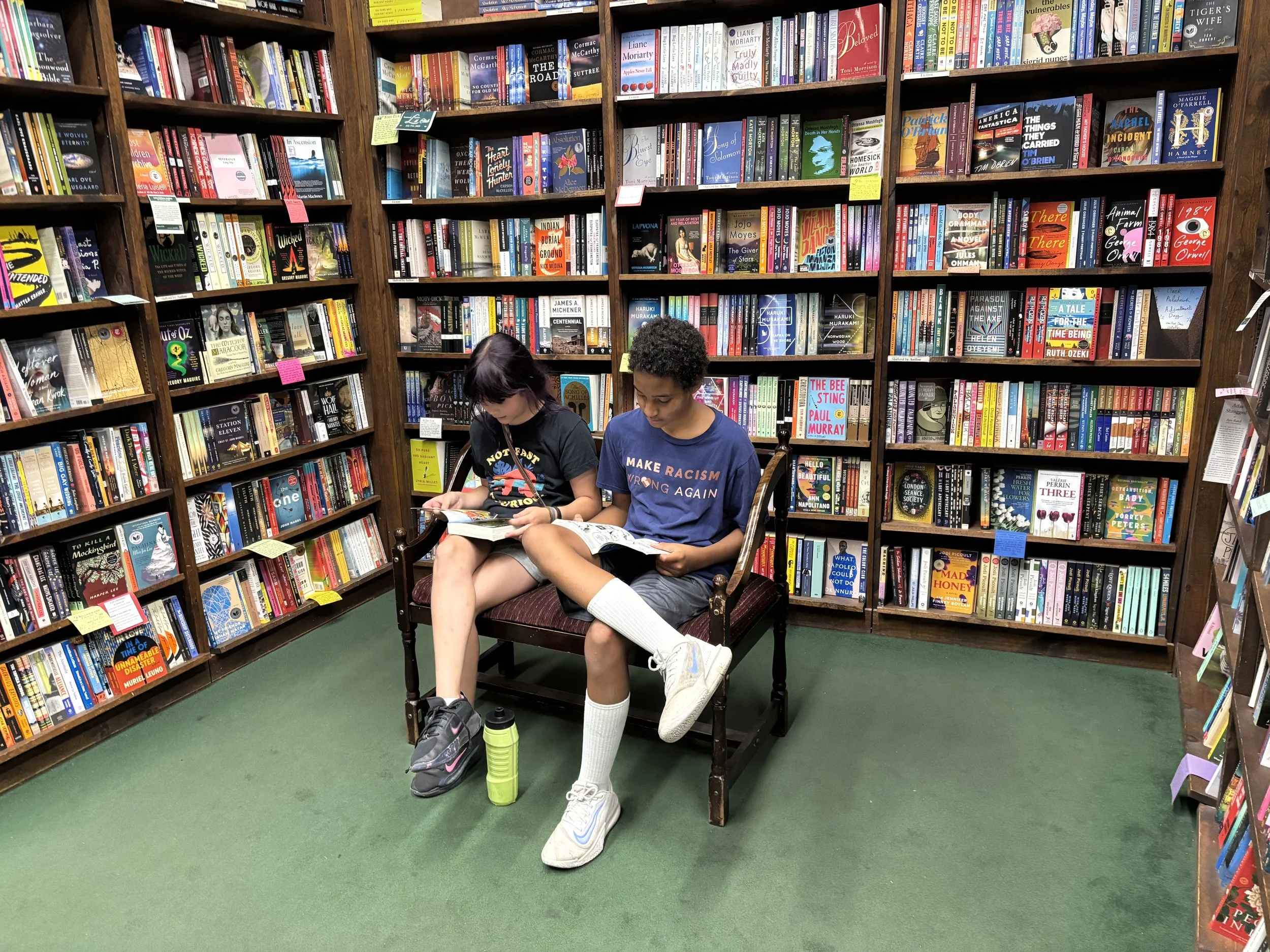
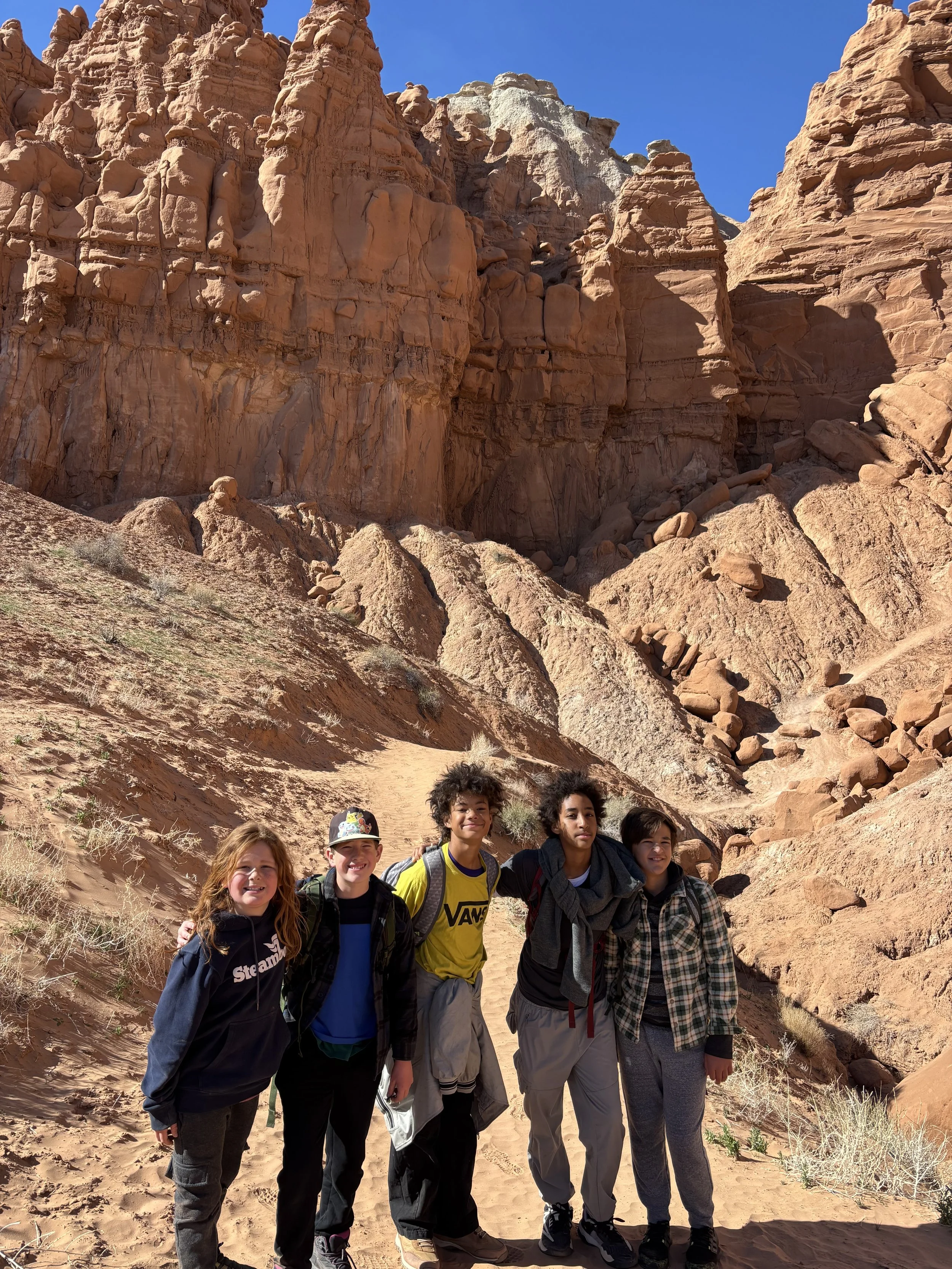
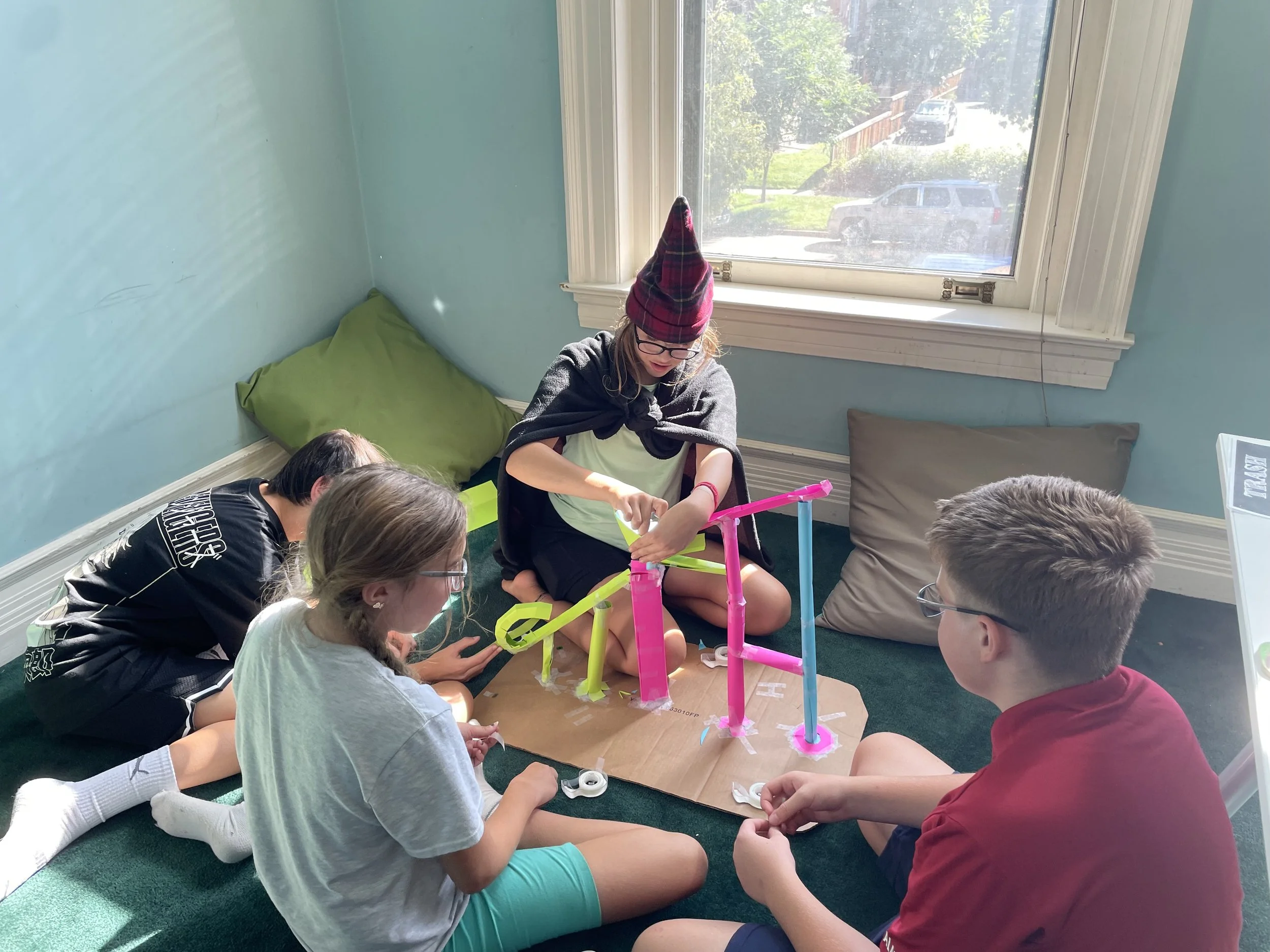

At a Glance
Grades 6-12
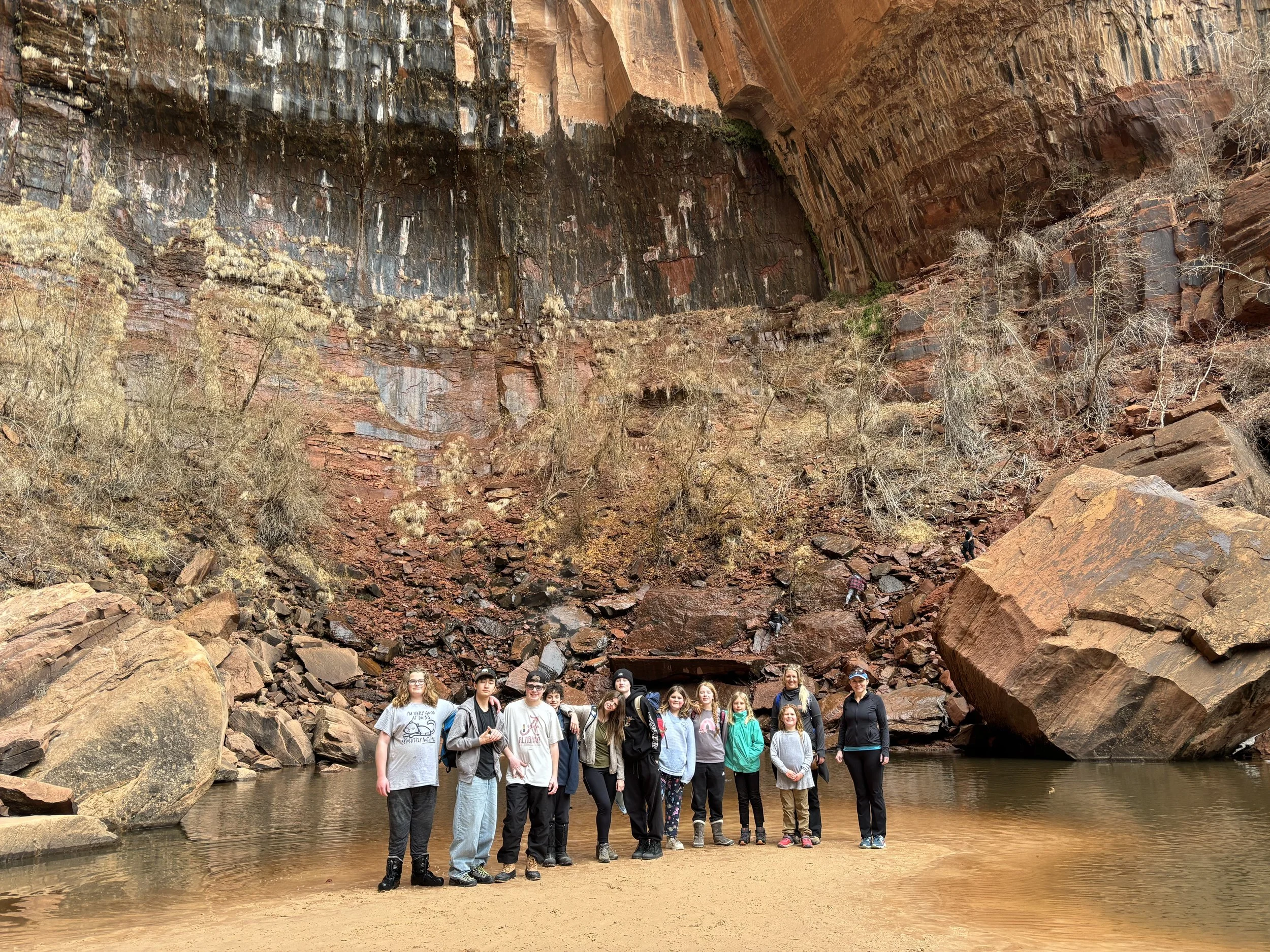
Place-based education
Supportive environment for neurodiverse, gifted & twice-exceptional students
Individualized learning
Focus on social and emotional development
Learning outdoors and at the historic Milheim House
Small class sizes & small student to teacher ratios
Multi-age classrooms
STEM + Art/Design curriculum
Real-world learning
Forest School
Microschool

Mission and Vision Statements
We educate, advocate and cultivate spaces in which grit and belonging flourish. Through respect for oneself, others and the environment, diverse learners are inspired to master their own potential and pursue their passions with purpose and agency.
To empower children and families with diverse needs to belong, thrive, and self-actualize as global citizens in their communities.
The Importance of Social & Emotional Learning with Dr. Ali Hill
Learn about why Worldmind puts social and emotional learning at the foundation of the school and how it strengthens all learning opportunities in the classroom.
Worldmind Student Life Cycle
for Elementary, Middle, & High School Students
-

Initial Adjustment (Anxiety and/or Honeymoon Phase)
Students often experience signs of anxiety and uncertainty and/or a temporary uplift in mood and engagement.
-

The Journey of Unmasking
Unmasking is a critical and often challenging phase where students gradually shed protective layers. An escalation in Stage 1 behaviors is often seen both in school and at home.
-

Embracing Self-Acceptance & Understanding Others
A pivotal point in the students' journey, often marked by significant struggle. Students may show resistance to attending school during this phase.
-

Achieving Self-Acutalization
The ultimate goal is for Worldmind students to be well-equipped to interact with the world around them in a confident, understanding, and empathetic manner.
There are four stages in the Worldmind Student Life Cycle for elementary and middle school students. These stages represent what we commonly see in our students during their attendance at Worldmind.
Stage 1 begins as a new student enters at any grade level elementary through middle school.
We create an inclusive community where all students have individualized learning plans tailored to their specific needs and aptitudes.
Our Curriculum

Real-World Learning
Worldmind incorporates an even balance of head (academic achievement), heart (character-building and well-being), and hand (problem-solving, creating, and idea development). This is accomplished through a carefully crafted curriculum that incorporates Real-World Learning. Real-World Learning lends itself to place-based and project-based approaches to pedagogy.
Real-World Learning also incorporates civic education. Through this innovative type of education, teachers can encourage students to see not only their home and school, but also the city and surrounding areas in which they are located, as a real world classroom. Teachers will assign projects that help students to map and engage with real world issues and initiatives in the community. This will be accomplished through multiple field trips throughout the school year. Field trips bring people together in ways that go beyond traditional classroom experiences.
Place-Based Learning
Our curriculum is grounded in place-based learning, which uses the local community, environment, and real-world experiences as the core of instruction. Students learn through field studies, community projects, nature exploration, and partnerships with local experts. This helps them see the relevance of what they study and strengthens their connection to the world around them.
Research from universities and national education organizations shows that place-based learning increases engagement, deepens understanding, and supports academic growth. Students in these programs consistently show stronger critical thinking, higher test scores, and better attendance. Learning in real contexts helps them retain information longer and stay motivated.
This approach supports academic development by strengthening comprehension, improving problem-solving skills, and increasing ownership of learning. Authentic experiences give students multiple ways to access complex concepts and work through challenges. Because it offers many entry points for different learning profiles, place-based learning also benefits diverse and neurodiverse students.
We integrate place-based experiences into every thematic unit. Students investigate ecosystems through local fieldwork, explore history with community storytellers, and apply math and engineering in environmental design challenges. Each experience builds academic skills while nurturing curiosity, belonging, and a deeper understanding of their community.

Fostering Creativity with Parent and Engineer Hao Zhng
“The United States has developed as a global leader, in large part, through the genius and hard work of its scientists, engineers, and innovators. In a world that’s becoming increasingly complex, where success is driven not only by what you know but by what you can do with what you know, it’s more important than ever for our youth to be equipped with the knowledge and skills to solve tough problems, gather and evaluate evidence, and make sense of information. These are the types of skills that students learn by studying science, technology, engineering, and math—subjects collectively known as STEM.”
– The U.S. Department of Education
Supplemental Programs
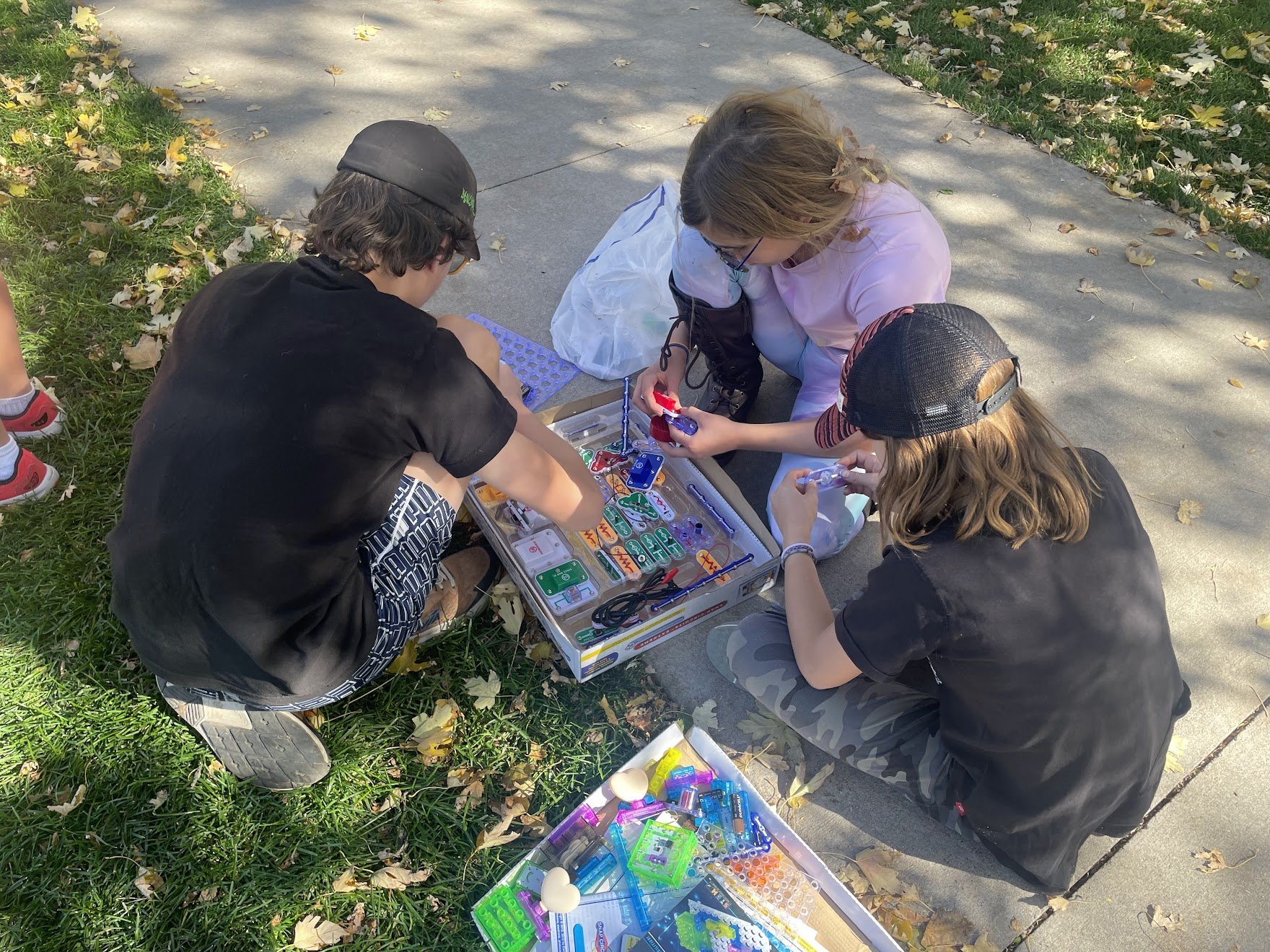
Coding
Middle and high school students dive into hands-on coding sessions led by our experienced instructor. Each class blends creativity, problem-solving, and real-world applications. Students learn to design, build, and program while exploring the fundamentals of computer science. They practice writing clean, functional code, test their ideas through iterative design, and learn how to troubleshoot like engineers.

Forest School
Forest School is a unique learning philosophy that offers people of all ages the opportunity to learn personal, social, technical, academic and environmental skills in a natural environment. This part of our curriculum combines environmental education with forest school skills which include: fire skills (building, lighting, maintaining, cooking, putting out, and leave no trace), forest tools (using a variety of different tools to create with wood), nature art and design, and shelter building.
Two Worldmind teachers trained in the UK Forest School model lead this programming for our Worldmind Middle students in one 3-hour session per week.
“The absolute best school for neurodiverse kids! My son is finally able to learn and be himself! The staff is amazing and the curriculum takes into account all the unique beauty of diverse learners. Worldmind is magic!” - Worldmind parent

Enrollment
6th-12th grade | Monday - Friday | 8:30 AM - 3:30 PM
Enrollment Process for Worldmind Middle School
Call us with any questions before scheduling a tour: 303.970.9785
Schedule a tour and parent interview by emailing the Head of School, Megan Patterson at megan@worldmindeducation.org
Fill out an online enrollment application here. There is a $75 application fee.
Set up a trial day. If the trial day is a success, an acceptance letter and tuition contract will be sent via email.
Sign and return contract.
Pay a non-refundable deposit of $1,000. This deposit will be applied to the tuition balance.
Tuition
Application Fee: $75
Worldmind Middle School | 2024-2025 Year Tuition:
1st child - $20,000 + extra fees for school trips
2nd child - $18,000 + extra fees for school trips
Tuition Deposit: $1,000
We offer the following tuition payment plans:
One Payment – The tuition deposit is deducted from the total tuition and the balance is due August 5th, or on the first day of the month in which the student begins attending Worldmind, at a prorated rate. Payment methods include credit card with a 3% transaction fee, ACH transfer or check with no transaction fees.
Two Payments – The tuition deposit is deducted from the total tuition and the balance is divided into two equal payments due August 5th, and November 5th, or beginning on the first day of the month in which the student begins attending Worldmind and on the first day of a subsequent month to be determined by Worldmind. Payment methods include credit card with a 3% transaction fee, ACH transfer or check with no transaction fees.
Ten Payments – The tuition deposit is deducted from the total tuition, a service charge of $10 per month is added, and the balance is divided into ten equal payments, or beginning on the first day of the month in which the student begins attending Worldmind. Tuition payments are due the first day of every month, starting August 1, 2024, and ending May 1, 2025.
Deposits – A non-refundable deposit of $1,000 per student is due upon acceptance into the school. This deposit will be applied to the tuition balance.
Tuition Discount – There is a 10% discount for siblings.